









Kneeboarding for Beginners: Step-by-Step Tips to Ride with Confidence
The Ultimate Beginner’s Guide to Kneeboarding
What is Kneeboarding?
Kneeboarding is a thrilling and straightforward water activity that combines balance, speed, and technique – and easily accessible for beginners looking to have some fun out on the water. Kneeboarders position themselves on a streamlined, cushioned board and are pulled along by a boat, jet ski, or cable system. Kneeboards stand out from wakeboards and surfboards due to their smaller and lighter design, specifically tailored for kneeling. This configuration provides beginners with a lower centre of gravity, facilitating a smoother learning experience, and is a great entry point for children and teens looking to get into watersports.
Kneeboarding is accessible to individuals across all age groups and varying levels of expertise; whether you're gliding across a serene lake, navigating a smooth river, or tackling a cable park. It’s a fantastic way to enhance your coordination, build core strength, and boost your confidence on the water. It provides a clear development trajectory: newcomers can kick off with basic rides, then advance to carving turns, riding wakes, and ultimately executing tricks such as spins and jumps. Kneeboarding isn’t merely an enjoyable pastime; it’s a dynamic social experience, ideal for families, friends, or engaging with local clubs and meetups. Even if you’ve never hit the water on a board before, the learning curve is totally achievable, positioning it as one of the most accessible water sports for newcomers.
Getting Started with Kneeboarding
Essential Equipment for Beginners
Before you dive in, having the right gear is essential for ensuring both safety and comfort on the water. From our experience, a fundamental setup consists of a kneeboard tailored to your height, weight, and skill level, a dependable tow rope with a handle, and a well-equipped boat, jet ski, or cable system. Wearing safety gear like an ISO-certified life jacket is essential, and adding a helmet or optional knee pads can enhance your protection in case of falls.
Selecting the appropriate board is crucial for optimal performance, so if your new to the sport then make sure to buy the best kneeboard for beginners. Newcomers should choose a board that offers stability and responsiveness, featuring a soft kneeling pad and a user-friendly tow hook for an effortless start. As boarders progress in their ability, they often seek out boards that offer enhanced responsiveness and manoeuvrability, enabling them to execute tricks and make sharper turns with precision. If you’re just starting out and want a more detailed breakdown of beginner tips, safety advice, and step-by-step guidance, check out our full guide: How to Kneeboard for Beginners: Tips, Tricks, and Safety Advice. This blog covers everything from warming up and positioning to handling falls safely, making it a perfect companion to your first kneeboarding sessions.
Choosing a Safe Location
Safety starts with the right location for kneeboarding. Seek out smooth, unobstructed waters that offer ample room for the boat or cable system to function safely and efficiently. Steer clear of zones with intense boat activity, individuals in the water, snags or submerged trees, or powerful currents.
Cable parks provide an ideal setting for skill development, featuring expert staff support, clearly marked buoys for navigation, and a steady towing speed to enhance performance. When navigating open waters such as lakes or rivers, it's crucial to assess for shallow zones, hidden hazards beneath the surface, or any floating obstacles that could impact your performance. Strategically mapping out your route and assessing conditions prior to each session significantly minimises the chances of collisions or accidents.
Learning the Basics
For those who are new to the sport, it's crucial to take it step by step and develop your confidence along the way:
1. Work on your balance either on solid ground or in shallow water – Start by kneeling on your board to understand your positioning and how to distribute your weight effectively.
2. Securely attach the tow rope – If your board is equipped with a hook, make sure to utilise it. Make sure to grip the rope tightly with both hands.
3. Begin in a beginners position if needed – Newcomers can start by lying on the board and then progressively move to a kneeling stance as the watercraft tows them ahead.
4. Begin at a steady pace – Slowly ramp up your speed to acclimatise to the movement and the resistance of the water.
5. Focus on enjoyment and safety – Embrace the thrill of the ride while staying vigilant, adhering to safety protocols, and always riding with a buddy.
With dedicated practice, your balance and control will enhance rapidly, enabling you to advance from straightforward rides to smooth turns and ultimately tackle more complex manoeuvres.
Kneeboarding Tips for Beginners
Maintaining Balance and Grip
Your positioning and stance are crucial. Keep your knees and shins firmly planted on the padded surface, ensuring that your weight is evenly balanced throughout. Secure the handle with a strong grip, ensuring your thumbs are positioned underneath to maximise control. Lean slightly forward, keeping your elbows tight while ensuring a low centre of gravity for optimal balance. This stance enhances balance and facilitates quick adjustments when the board encounters shifts or small wakes.
Turning on a Kneeboard
Executing a turn requires a strategic shift in weight and a rotation of the body. Begin by shifting your weight to one side, placing the majority of your body weight on the knee aligned with that direction. Engage your hips and shoulders to steer the board precisely where you want it to go. At cable parks, make sure to track the buoys or cable timing to initiate your turn with precision and fluidity. While being towed by a boat, focus on executing smooth S-turns on the water and lean into the wake to enhance your control.
Strategies for executing smoother turns include:
• Maintain a low centre of gravity to enhance your agility and precision in movements.
• Look in the direction you intend to turn instead of staring down at the board.
• Focus on progressively elevating the angle of your turns before diving into more intense carving techniques.
First Tricks for Beginners
Wake 180 (Frontside 180)
The Wake 180 is an accessible trick for newcomers, involving a smooth 180-degree rotation across the wake, transitioning from a forward stance to a backward stance. This focusses on mastering weight transfer, timing, and body control, which are crucial for executing more advanced manoeuvres.
Here's how to do a Wake 180 on a kneeboard:
1. Keep a steady stance and secure your hold on the handle. Fasten the knee strap tightly.
2. Engage the wake with a consistent and measured pace.
3. Stabilise the board and engage your hips and shoulders to initiate the rotation.
4. Transfer your weight to the inside of the turn to steer the board effectively.
5. Finish the rotation by riding backward after you land. Optionally, execute a spin back forward to complete the manoeuvre. You can view a tutorial here.
Other Beginner Tricks
• Smooth S-turns: Master the technique of carving side-to-side across the wake.
• Small jumps: Propel yourself off the wakes just enough to acclimatise to the sensation of airtime.
• Wake crossing: Focus on mastering the technique of riding over wakes with precision before progressing to spins.
Perfecting these fundamentals sets the stage for executing more complex manoeuvres such as backrolls, front flips, or wake jumps. Make sure to wear your helmet and protective gear every time your attempting tricks.
Boat and Watercraft Considerations
Choosing the Right Boat for Kneeboarding
Nearly any boat that can tow for water sports is suitable for kneeboarding, whether it's an inboard, outboard, or sterndrive model. For optimal comfort and safety on the water, it's crucial to keep the boat at a steady pace, generally between 15 and 20 mph for those just starting out. When it comes to outboard engines, implementing a bridle is essential to ensure that both the rope and rider stay safely away from the propeller.
Safety Practices on the Water
Ensuring kneeboarding safety is the top priority:
• Make sure to wear a life jacket at all times, and think about using a helmet for added protection.
• Ensure a spotter is present to keep an eye on the rider's performance.
• Develop hand signals for effective communication (e.g., thumbs up = all clear). Read our guide on Towing Hand Signals for Water Skiers here.
• Ensure the area is free of obstacles, keep a safe distance from shorelines, and adhere to local boating regulations.
• Respect fellow boaters and water sports participants.
Safety Tips and Common Mistakes
Avoiding Obstacles and Collisions
Consistently assess the water for vessels, swimmers, floating obstacles, or markers. If you're uncertain about a move, let go of the handle. The board will decelerate, allowing you to navigate your way to safety in the water.
Falling in the Water
Injuries can occur during any watersport including kneeboarding. Maintain composure, assess your environment, and detach the knee strap if necessary. Utilise your board for buoyancy as you navigate your way back to safety in the water. Keep in mind that falls are an essential aspect of the excelling — consistent practice enhances both confidence and control.
Choosing the Best Kneeboard for Beginners
Factors to Consider When Selecting a Kneeboard
Selecting the appropriate kneeboard for beginners is essential for maximising comfort and enhancing your performance in the game. Selecting the right board for your ability can enhance your learning experience, minimise fatigue, and enable you to execute more complex manoeuvres with confidence and safety. Here are the crucial elements to think about when selecting your board:
1. Size & Weight Capacity
Choosing the right size for your kneeboard is crucial; it needs to align with your height and weight to maintain optimal stability and balance while riding the waves. Most boards are engineered for particular weight categories, and selecting a board that is undersized can hinder your balance, while one that is oversized might feel cumbersome. Newcomers to the sport can gain an advantage from using slightly wider boards, as the increased surface area enhances stability, making it easier to find balance and execute carving techniques.
2. Skill Level
Your experience and skill level play a crucial role in determining the right board for you. Beginner kneeboards are designed with a wider and more stable structure, featuring a softer kneeling pad that provides a forgiving experience for those learning to make turns and getting back up after falls. Advanced boards excel in responsiveness, enabling sharper turns, quicker spins, and a wider array of dynamic tricks. Evaluate your riding environment—whether it's on lakes, rivers, or being towed by a boat—and determine the pace at which you aim to enhance your skills.
3. Construction & Materials
Durable construction of your kneeboard is important for ensuring both safety and peak performance on the water. Seek out boards constructed from top-tier, reinforced materials designed to endure frequent impacts and resist water exposure. A cushioned surface is essential for safeguarding your knees during extended kneeboarding sessions, while a sturdy, strategically positioned handle guarantees you maintain firm control when initiating and manoeuvring. Some boards feature textured grips designed to minimise slipping, providing a significant edge for newcomers to the sport.
4. Fins & Manoeuvrability
The fins or channels located on the underside of the kneeboard play a crucial role in how effectively the kneeboard navigates through the water. Boards featuring one or two fins enhance stability and facilitate smooth carving turns, whereas those with smaller or no fins enable quicker, more agile manoeuvres. Newcomers often gain an advantage from boards equipped with larger fins or channels that enhance stability, whereas seasoned riders might opt for smaller fins to execute tricks or make sharper turns.
5. Budget Considerations
Kneeboards come in a diverse price spectrum, starting from a few hundred dollars for entry-level options and reaching over a thousand for high-end, professional-grade models. While it’s easy to be lured by the lowest price, putting your money into a high-quality board can enhance your learning curve, provide durability, and elevate your overall experience on the field. Evaluate how often you'll be using it, your objectives for the long haul, and the specific features you want before finalising your choice.
6. Additional Features
Certain kneeboards are equipped with additional features like adjustable knee straps, anti-slip surfaces, and reinforced edges, all designed to enhance performance during wake jumps. The right features can significantly impact your journey from fundamental riding to executing tricks and stunts, ensuring both safety and control on the water.
By thoroughly evaluating these elements, you can choose a kneeboard that not only fulfils your immediate requirements but also enhances your development as a rider. Choosing the right board will step up your learning experience, boost your confidence on the water, and pave the way for executing advanced techniques such as spins, wake jumps, and 180-degree turns.
Shop The Best Range of Kneeboards
Sold out
Sold out
Sold out
Sold out
Sold out
Final Thoughts and Next Steps
Kneeboarding is an exhilarating activity that enhances your skills while delivering pure enjoyment whether you’re on a lake, river or cable park, whether you’re young or old. Newcomers can rapidly build their confidence and can advance to wake jumps, spins, and more complex tricks with dedicated practice.
Are you prepared to dive into the action? Check out our guide to the 10 Best Tubes and Kneeboards, or shop beginner kneeboards and kick off your riding journey today!
MOST POPULAR
RISING POST
Leave a comment
Comments will be approved before showing up.
Also in Blogs


Best Snow Jackets for Australian Conditions
Find the best snow jackets for Australian conditions. Learn how to choose the right ski jacket with waterproof ratings, breathability, insulation, and layering tips for wet snow, changing temperatures, and all-day performance on the slopes.
Read More


What to Rent vs Buy for Your First Snow Trip (Beginner Guide)
Not sure what snow gear to rent or buy? This beginner guide breaks down what’s worth renting and what you should own for your first snow trip.
Read More
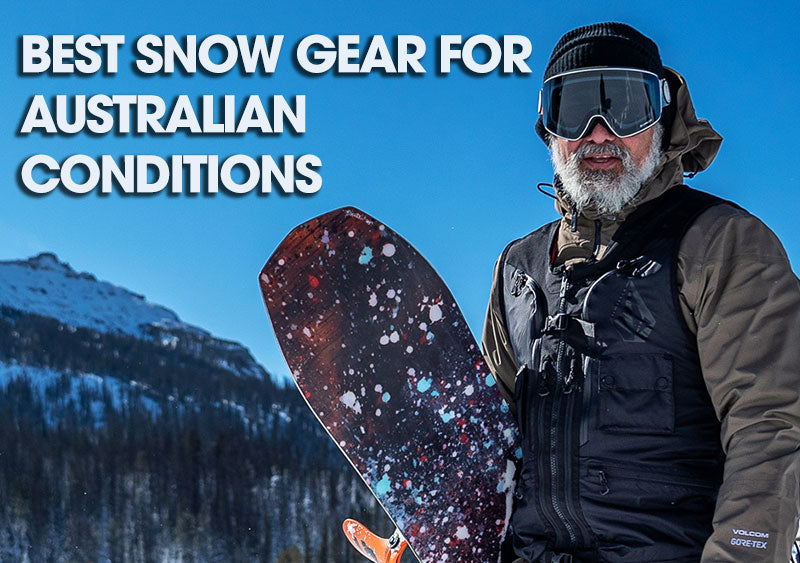

Best Snow Gear for Australian Conditions (What You Actually Need)
From jackets to gloves, discover the best snow gear for Australian conditions and avoid overbuying gear designed for extreme overseas climates.
Read More