









The Best 12 Onsens to Visit After Skiing in Hokkaido
12 of the Best Onsens in Hokkaido
for Skiers Near Niseko and Furano
Written for Auski by Pink Lemonade Social
Why Onsens Are a Must After Skiing in Japan
After carving your way down Hokkaido’s legendary powder runs, there’s nothing more rejuvenating than sinking into a steamy, mineral-rich onsen — Japan’s traditional hot springs. Not only do onsens soothe sore muscles and boost circulation, but they also offer a deep dive into Japanese culture and hospitality. Whether you’re a first-timer or a seasoned skier, visiting an onsen is the perfect way to unwind and absorb the serenity of Japan’s wintry wilderness.
Hokkaido, Japan’s northernmost island, is famed for both its world-class ski resorts and its abundance of natural hot springs. From secluded mountain baths to full-service resort spas, the options are as diverse as the snow conditions.
In this guide, we’ll share the top 12 onsens in Hokkaido that skiers won’t want to miss — all within reach of the island’s top snow destinations like Niseko, Furano, and Rusutsu. If you’re heading to Hakuba, check out our Guide to the Best Hakuba Onsen.
Onsen Etiquette: Do’s and Don’ts for Foreign Travelers
Before you soak, it’s important to understand onsen etiquette — a respectful ritual that ensures everyone enjoys the experience.
Do:
- Wash thoroughly before entering: Shower and clean yourself at the provided stations using soap and shampoo.
- Go in nude: Swimsuits are not allowed in traditional onsens.
- Keep towels out of the water: You can place your small towel on your head or by the side of the bath, but keep main bath towels in your locker.
- Stay hydrated: Onsens can be dehydrating, so drink water before and after.
Don’t:
- Enter the bath dirty or sweaty
- Bring cameras or phones into the onsen area
- Soak with large tattoos unless the onsen is tattoo-friendly (check ahead or cover tattoos with waterproof patches)
- Swim or splash — onsens are places for quiet relaxation
Pro tip: Many onsens have separate facilities for men and women, so be sure to follow the signage.
12 Best Onsens in Hokkaido for Skiers Near Niseko, Furano & Top Resorts
1. Yukichichibu Onsen – Niseko Region
Best for: Rustic charm, sulfur-rich waters, snow-covered mountain views
Located about 30 minutes from Niseko’s Grand Hirafu base, Yukichichibu Onsen is a secluded, atmospheric hot spring known for its milky-white sulfur waters. Set in a volcanic valley surrounded by snow-laden peaks, this onsen is a local favourite — offering both indoor and outdoor baths with stunning alpine views.
What sets it apart? A rare mud bath (for women only) said to benefit the skin, and a truly traditional, no-frills experience. It’s the perfect après-ski destination if you want to soak like a local in a wild, natural setting.
- Tattoo policy: Generally tolerant
- Distance from Niseko: ~30 min drive
- Entry cost: Approx. ¥700 (cash only)
- Open hours: 10:00–20:00 (closed Tuesdays)
Image: Instagram / markosolos
2. Ryounkaku Onsen – Furano Region
Best for: Remote location, dramatic mountain vistas
Perched at the end of a mountain road at Tokachidake Onsen, Ryounkaku Onsen offers breathtaking views over the Daisetsuzan National Park. The journey here — about an hour’s drive from Furano Ski Resort — is part of the adventure, with the steamy hot spring reward awaiting at 1,280m elevation. This hot spring is naturally brownish-yellow and filled with healing minerals like calcium sodium sulfate.
Ryounkaku’s open-air rotenburo offers panoramic views of steaming volcanic ridges and deep snowbanks — perfect after a backcountry session or a few runs on Furano’s slopes. The bathwater here is mildly acidic and filled with minerals beneficial for the skin.
- Tattoo policy: Usually permitted
- Distance from Furano: ~1 hr drive
- Entry cost: ¥800 for day visitors
- Open hours: 7:00–21:00
3. Rusutsu Resort Onsen – Rusutsu
Best for: Convenience, family-friendly facilities
If you’re staying at Rusutsu Resort, you don’t even need to leave the complex to enjoy a relaxing soak. The Rusutsu Resort onsen and sauna are located inside the North Wing of the hotel building, making it incredibly convenient after a day skiing Rusutsu’s powdery tree runs.
This modern, well-maintained onsen offers indoor and outdoor baths, including a jacuzzi and cold plunge. It’s ideal for families, couples, or beginners who prefer a clean, resort-style atmosphere. While it doesn’t have the natural wildness of some remote onsens, the sheer convenience makes it a top pick for many travellers.
- Tattoo policy: Cover-up stickers recommended
- Distance: On-site at Rusutsu Resort
- Entry cost: Free for hotel guests; ~¥1,300 for non-guests
- Open hours: 6:00–9:00 & 14:00–23:00
Image: Instagram / rusutsuresort_officiall
4. Jozankei Onsen – Near Sapporo
Best for: A scenic soak before your flight home
If you’re skiing near Sapporo or heading to New Chitose Airport, Jozankei Onsen is a must-visit detour. Just a one-hour drive from central Sapporo, this historic hot spring town lies in a gorge filled with traditional ryokans, river walks, and steamy open-air baths.
Many of the hotels here, such as Hoheikyo Onsen or Jozankei Tsuruga Resort Spa Mori no Uta, offer day-use options for visitors. The area is famous for its sodium-chloride spring water, which helps relieve muscle fatigue — perfect after a full ski week.
- Tattoo policy: Varies by facility
- Distance from Sapporo: ~1 hr drive
- Entry cost: Varies (~¥1,000–¥2,000)
- Open hours: Check individual onsen/hotel
5. Lake Shikaribetsu Kotan – Furano Region
Best for: A once-in-a-lifetime experience in an ice village
Open only from late January to March, Lake Shikaribetsu Kotan is a surreal winter village built on a frozen lake in the Daisetsuzan National Park. Here, you can bathe in a temporary outdoor onsen carved into ice, surrounded by snow sculptures and igloos glowing with lanterns.
This is the only onsen built atop a frozen lake in Japan, and it’s an unforgettable experience — especially after skiing Furano or Sahoro. There’s no hotel accommodation on the lake itself, so visitors come for the day or stay nearby in the Shikaoi or Tokachi regions.
- Tattoo policy: Outdoor baths typically relaxed
- Distance from Furano: ~1.5 hr drive
- Entry cost: Free (but donations welcome)
- Open hours: ~10:00–21:00 (late Jan to mid-March)
Image: Instagram / f.clav
6. Toyako Onsen – Niseko Region
Best for: Lakeside serenity with volcano views
Located on the shores of Lake Toya, Toyako Onsen is a peaceful hot spring town with panoramic views of Mount Usu, an active volcano. In winter, the lake’s steamy surface and snow-capped hills make the setting magical—especially when viewed from an open-air bath. It’s ideal for a relaxing side trip from the Niseko or Rusutsu ski resorts.
• Tattoo policy: Many hotels permit tattoos or offer private onsen
• Distance from Niseko: ~1.5 hr drive
• Entry cost: ¥600–¥1,500 (varies by ryokan or bathhouse)
• Open hours: Typically 10:00–22:00 (check with individual venues)
7. Yunokawa Onsen – Hakodate Region
Best for: Coastal soaks and charming monkey hot springs
Yunokawa Onsen sits right on the seaside in Hakodate, offering open-air baths that overlook the Tsugaru Strait. In winter, don’t miss the Yunokawa Monkey Park, where Japanese macaques famously bathe in their own hot spring. It’s a great add-on if you’re skiing in southern Hokkaido or arriving via Hakodate Airport.
• Tattoo policy: Mixed—check with individual facilities
• Distance from Hakodate Airport: ~5–10 min by car
• Entry cost: ¥400–¥1,200
• Open hours: 06:00–22:00 (varies by bathhouse)
Image: Instagram / tobykendzierski
8. Kawayu Onsen – Eastern Hokkaido
Best for: Sulfur-rich waters in a remote volcanic setting
Situated between Lake Kussharo and Mount Io, Kawayu Onsen features potent sulfuric waters known for their skin-healing and detox properties. The surrounding landscape is wild and remote—ideal for travellers seeking a less commercial, more rustic onsen experience.
• Tattoo policy: Generally relaxed, especially at smaller ryokans
• Distance from ski resorts: ~2 hr drive from Asahidake area
• Entry cost: ¥300–¥800
• Open hours: 07:00–21:00 (depends on facility)
9. Akanko Onsen – Akan-Mashu National Park
Best for: Ainu cultural experiences and lakeside views
Akanko Onsen is located on the edge of Lake Akan, home to rare marimo moss balls. Many ryokans offer lakeside rotenburo (outdoor baths), and visitors can experience traditional Ainu performances and cultural exhibits. It’s a peaceful retreat after skiing the eastern regions of Hokkaido.
• Tattoo policy: Varies—some offer private baths or allow small tattoos
• Distance from Kawayu: ~1 hr drive
• Entry cost: ¥500–¥1,200
• Open hours: 10:00–22:00 (facility dependent)
Image: Instagram / bluetalk2
Images: Instagram / onethousandspas
10. Lake Shikotsu Onsen – Sapporo Region
Best for: Crystal-clear lake views close to the airport
Just 40 minutes from New Chitose Airport, Lake Shikotsu Onsen is tucked beside one of Japan’s deepest and clearest lakes. The onsen waters are slightly alkaline and soft on the skin, with many rotenburo offering snow-dusted mountain views. It’s a great final stop before heading home.
• Tattoo policy: Generally tattoo-friendly or private options available
• Distance from Sapporo: ~1 hr drive
• Entry cost: ¥800–¥1,500
• Open hours: 11:00–20:00 (varies by hotel)
11. Utoro Onsen – Shiretoko Peninsula
Best for: Drift ice views and UNESCO-level wilderness
Utoro Onsen is located in Shiretoko National Park, a UNESCO World Heritage Site famed for its dramatic cliffs and drift ice in winter. Soaking in a rotenburo while watching floating ice drift across the Sea of Okhotsk is a surreal, only-in-Hokkaido experience.
• Tattoo policy: Generally relaxed or private onsen available
• Distance from Memanbetsu Airport: ~2 hr drive
• Entry cost: ¥500–¥1,000
• Open hours: 06:00–23:00 (check local lodgings or hotels)
Images: Instagram / noboribetsu_grandhotel
12. Noboribetsu Onsen – South-Central Hokkaido
Best for: Variety of hot spring waters and volcanic landscapes
Noboribetsu is one of Japan’s most famous onsen towns and is known for having 11 different types of mineral-rich waters—each with its own healing effect. The town sits next to the steaming, bubbling “Hell Valley” (Jigokudani), a dramatic geothermal area you can walk through before heading to your soak.
• Tattoo policy: Some restrictions; private baths widely available
• Distance from Sapporo: ~1.5 hr drive
• Entry cost: ¥800–¥2,000
• Open hours: 10:00–22:00 (varies by facility)
Map & Distances From Major Ski Resorts
| Onsen | Closest Ski Resort | Approx. Distance | Travel Time |
| Yukichichibu Onsen | Niseko | 15–20 km | ~30 mins |
| Ryounkaku Onsen | Furano | 35 km | ~1 hour |
| Rusutsu Resort Onsen | Rusutsu | On-site | N/A |
| Jozankei Onsen | Sapporo/Kokusai | 30 km | ~1 hour |
| Lake Shikaribetsu Kotan | Furano/Sahoro | 75–90 km | ~1.5 hours |
| Toyako Onsen | Niseko/Rusutsu | 50–60 km | ~1.5 hours |
| Yunokawa Onsen | None nearby (Hakodate area) | 6 km (from airport) | ~10 mins |
| Kawayu Onsen | Asahidake (remote) | ~100 km | ~2 hours |
| Akanko Onsen | Kawayu (regional access) | ~60 km | ~1 hour |
| Lake Shikotsu Onsen | Sapporo | ~45 km | ~1 hour |
| Utoro Onsen | Not ski-linked (Shiretoko) | ~150 km (from Memanbetsu) | ~2 hours |
| Noboribetsu Onsen | Sapporo/Kokusai | 110 km | ~1.5 hours |
Tips for Booking or Visiting an Onsen
- Bring a small towel: Most onsens provide larger towels for free or to rent, but it’s good to bring your own for drying off.
- Check for tattoo policies: Many are becoming more inclusive, but it’s still worth checking.
- Visit in the late afternoon or evening: This is the best time for post-ski muscle recovery and often features beautiful twilight views.
- Stay hydrated and avoid alcohol before bathing
- Use public transport or book a taxi: Roads in winter can be icy — and soaking in an onsen before a long drive is not recommended.
How Onsens Complete the Hokkaido Ski Experience
Skiing in Hokkaido is an incredible experience, but pairing it with a visit to a traditional Japanese onsen makes it truly unforgettable. From Niseko to Furano and Sapporo, Hokkaido's onsens offer the perfect mix of relaxation, cultural immersion, and natural beauty. Whether you're after ocean views or mountain retreats, these hot springs provide the ideal way to unwind after a day on the slopes — and discovering lesser-known onsens can lead to some of the most memorable moments of your trip.
So pack your towel, brush up on your etiquette, and take the plunge — your Hokkaido ski trip isn’t complete without an onsen.
RISING POST
Leave a comment
Comments will be approved before showing up.
Also in Blogs


5 Summer Adventures That Make You a Better Skier in Winter
Improve your skiing before winter arrives with 5 summer adventures. Build strength, balance, endurance and focus through biking, hiking, SUP and mo
Read More


Kneeboarding for Beginners: Step-by-Step Tips to Ride with Confidence
Learn how to kneeboard with confidence! Our 2026 beginner’s guide covers techniques, equipment, tricks, and safety tips for every rider.
Read More
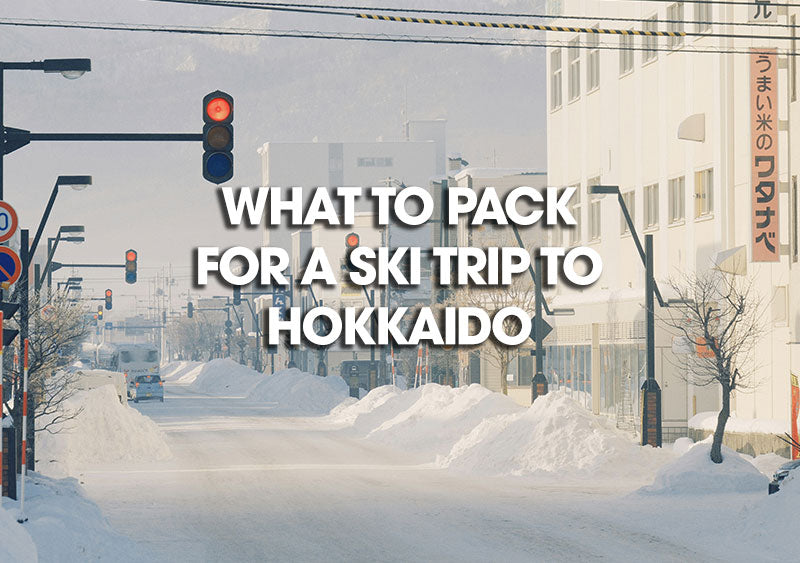

What to Pack for a Ski Trip to Hokkaido: The Ultimate Checklist
Planning a ski trip to Hokkaido? This complete packing checklist covers ski gear, cold-weather essentials, cultural tips, and travel advice for Japan’s powder capital.
Read More