









What to Pack for a Ski Trip to Hokkaido: The Ultimate Checklist
What to Pack for a Ski Trip to Hokkaido | Complete Japan Ski Checklist
If you're planning a ski trip to Hokkaido, Japan, you’re in for one of the best powder experiences on the planet. But packing for Hokkaido’s ski season isn’t quite the same as prepping for the Alps or North America. From cultural quirks to intense cold and unique transportation logistics, your Hokkaido ski trip packing list needs to go beyond the basics.
Here’s everything you need to stay warm, dry, respectful, and ready to shred the legendary Japanese powder. You can download a full printable checklist at the bottom!
Why Hokkaido Ski Packing Is Unique
Hokkaido is Japan’s northernmost island and a powder paradise thanks to consistent snowfall and cold Siberian winds. Check out our top places to ski and snowboard in Japan for more ideas on where to hit the slopes. Resorts like Niseko, Furano, Rusutsu, and Kiroro see regular dumps of dry, fluffy snow—ideal for deep powder skiing.
However, the climate can be brutal. Daytime temperatures often drop below -10°C (14°F) in January and February, with biting wind chills. Add in Japan’s cultural customs, onsen traditions, and domestic transport rules, and your packing approach needs to be precise.
HOKKAIDO Weather / Snow Conditions Note
Snow and weather conditions in Hokkaido can vary significantly throughout the season and even from morning to afternoon. While January and February typically deliver the most consistent powder, storms can occasionally change visibility and temperatures at short notice. Before you travel and each morning you ski, check local snow reports and weather forecasts for your resort area. Websites and apps that track snowfall, wind chill and avalanche advisories will help you choose the right layers and plan your day safely. If you’re skiing at different resorts, such as comparing conditions between Niseko, Furano or Rusutsu, allow extra time for transfers — heavy snow can impact travel times.
Essentials for the Slopes - What to pack for a hokkaido ski trip
Your ski gear needs to handle deep powder, wind, and sub-zero temperatures. Whether you’re renting or bringing your own equipment, these items should be at the top of your packing list.
Base Layers
Choose merino wool or moisture-wicking synthetic base layers. Avoid cotton, as it retains moisture and will make you cold. Pack at least two to three sets of tops and bottoms so you can rotate during the trip.
Insulated Ski Jacket and Pants
Waterproof, insulated outerwear is essential. Look for gear rated at 10,000 mm waterproofing and breathability or higher. Powder skirts, wrist gaiters, and ventilation zips are valuable features for Hokkaido conditions.
Ski Goggles with Low-Light Lenses
Snowfall and flat light conditions are common. Goggles with low-light or storm lenses are crucial, and a second lens or photochromic option is ideal.
Powder Skis or Snowboard
Hokkaido’s snow favours wider skis or boards with rocker profiles. If you’re bringing your own gear, powder-specific skis are worth considering. If not, rental shops in Niseko, Furano, and other major resorts, such as snowboarding in Rusutsu, Hokkaido, offer excellent powder‑focused equipment..
Helmet
Helmets aren’t mandatory at most Japanese resorts, but they are strongly recommended, especially for tree skiing or off-piste terrain.
Extras for Japanese Ski Culture
Skiing in Japan involves more than just time on the mountain. These items help you respect local customs and stay comfortable.
Onsen Towel
Onsens (hot springs) are a major part of the après-ski experience. Bring a small towel for washing and modesty, plus a larger towel for drying off. Most onsen provide these, but if you prefer your own then make sure to pack. A lightweigh mesh bag to carry your clothing to and from onsen is also handy. As are tattoo cover patches/bandaids in case you have tattoos (most onsen prohibit tattoos).
Indoor Slippers
Many hotels, lodges, and ryokans require shoes to be removed at the entrance. Lightweight indoor slippers are convenient and hygienic.
Cash for Daily Expenses
Although card payments are becoming more common, many places still prefer cash. Carry approximately ¥10,000–¥20,000 in notes and coins for lift tickets, vending machines, snacks, and convenience stores.
Cold Weather Accessories
Layering properly can make or break your comfort on the mountain.
Neck Warmer or Balaclava
Protect your face and neck from windburn and frostbite. Merino or fleece-lined options work best.
Glove Liners
Thin glove liners add warmth and allow you to use your phone without removing your main gloves.
Heat Packs
Disposable body and hand warmers (known as kairo in Japan) are widely available at convenience stores. Bringing a few from home can be useful on particularly cold days.
Layering Tips for hokkaido
Packing the right layers will make all the difference when skiing in Hokkaido’s cold and variable conditions. Start with moisture‑wicking base layers that keep sweat away from your skin, then add a mid‑layer such as a lightweight fleece or insulated jacket for warmth. Your outer layer should be a waterproof and breathable ski jacket and pants with sealed seams to block wind and snow. The beauty of layering is flexibility — you can remove or add layers depending on your activity level and the weather on any given day. Don’t forget ski‑specific socks and a lightweight down jacket or vest for après‑ski comfort. This system helps keep you warm without overheating, and lets you adapt easily if temperatures or conditions change.
Tech & Travel Essentials
Japan’s infrastructure is efficient, but winter travel still requires planning.
Portable Wi-Fi or SIM Card
Reliable internet access is essential for navigation, bookings, and translation. Hire a portable Wi-Fi device or purchase a data SIM card at the airport.
Power Bank
Cold temperatures drain batteries quickly. A 10,000–20,000 mAh power bank will keep your devices charged throughout the day.
Suica or IC Card
IC cards such as Suica, Pasmo, or Kitaca make travelling on trains, buses, and subways easy. They can also be used at vending machines and convenience stores.
Waterproof Phone Case
A snow-proof or waterproof case protects your phone from moisture and accidental drops while skiing.
Toiletries & Medications
The dry, cold air in Hokkaido can be harsh. These items keep you comfortable and prepared:
Lip Balm and Moisturiser
Dry lips and windburn are common. Bring SPF lip balm and a rich facial moisturiser.
Sunscreen
Snow reflects UV rays, increasing your risk of sunburn even on cloudy days. Apply sunscreen daily.
Prescription Medications
Bring medications in their original packaging, along with a copy of your prescription. Japan has strict regulations around certain ingredients, including codeine and pseudoephedrine.
Packing Tips for Hokkaido Ski Trips
Getting to Hokkaido often involves domestic flights, trains, and long transfers, so packing strategically is important.
Soft Bags vs Hard-Shell Luggage
Soft-sided duffel bags with wheels are easier to manoeuvre through snowy streets, train stations, and small hotel entrances.
Domestic Flight Baggage Rules
If flying from Tokyo to Sapporo (CTS) or Asahikawa (AKJ), check baggage limits carefully. Many domestic airlines charge extra for ski bags, particularly low-cost carriers such as Peach or Jetstar Japan. You can shop the best range of Ski & Snowboard Bags here.
Luggage Forwarding Services
Japan’s luggage forwarding services, such as Yamato Transport (Ta-Q-Bin), allow you to send ski gear ahead to your accommodation. It’s affordable, reliable, and extremely popular with skiers.
Download Your Hokkaido Ski Trip Packing Checklist
To make your prep even easier, we’ve created a free downloadable PDF checklist covering everything in this guide. Whether you’re a first-timer or a seasoned powder chaser, it’s the easiest way to stay organized before your flight.
What Not to Pack
Hokkaido’s resorts and towns make it easy to buy or borrow many items, so you don’t need to overpack. Avoid these common mistakes:
· Bulky winter jackets or pants: Japan has plenty of high-quality, lightweight waterproof gear available if you forget something.
· Extra base layers: Two to three sets are usually enough; more can add unnecessary weight.
· Too many toiletries: Hotels and onsens often provide shampoo, soap, and even facial moisturiser.
· Heavy books or entertainment: Tablets, e-readers, or phones are lighter and more practical.
· Excess cash: You only need enough yen for a few days; ATMs and card facilities are widespread.
· Non-waterproof shoes: Snow boots can be rented or purchased locally if needed.
By keeping your luggage streamlined, you’ll have more room for essentials and souvenirs, and transport around Hokkaido will be much easier.
Renting vs Bringing Ski Gear
When planning your ski trip to Hokkaido, deciding whether to bring your own gear or rent locally can affect both convenience and cost.
Bringing Your Own Gear
Pros:
· Familiarity: You know how your skis or snowboard perform.
· Personal fit: Boots and bindings are customised for comfort.
· Specific gear: If you have powder-specific skis or boards, you’ll be ready for Hokkaido’s deep snow.
Cons:
· Extra baggage: Airlines often charge additional fees for ski bags.
· Transportation: Domestic flights, trains, and buses may be less convenient with bulky ski gear.
Renting Gear in Hokkaido
Pros:
· Convenience: No need to lug heavy equipment.
· High-quality rentals: Resorts like Niseko and Furano offer top-of-the-line powder skis, snowboards, and boots.
· Trial options: You can test different skis or boards, ideal if you want to try powder-specific models.
Cons:
· Cost: Rental fees can add up, especially for multiple days.
· Sizing and fit: Boots may not be perfectly tailored.
Tip: If you’re staying for a week or longer, renting may save hassle. For short trips, bringing your own skis or board is often worth it if you’re particular about performance.
Frequently Asked Questions About Skiing in Hokkaido
Q: What is the best time to ski in Hokkaido?
A: The prime ski season runs from late December to early March. January and February typically have the most consistent powder and coldest temperatures, ideal for deep snow skiing.
Q: How cold does Hokkaido get during ski season?
A: Daytime temperatures can drop below -10°C in January and February, with wind chills making it feel colder. Layering and proper gear are essential to stay warm.
Q: Should I bring my own skis or snowboard to Hokkaido?
A: Both options work. Bringing your own gear offers familiarity and custom fit, while renting locally provides convenience and access to powder-specific skis and boards.
Q: What should I pack for a ski trip to Hokkaido?
A: Essentials include waterproof insulated jackets and pants, base layers, goggles, helmet, gloves, neck warmer, lip balm, sunscreen, and portable power. Also pack items for Japanese culture like onsen towels and indoor slippers. Download our complete printable packing list to ensure you don't forget anything!
Q: Do I need cash in Hokkaido for skiing?
A: Yes. While major resorts accept cards, many smaller shops, vending machines, and lift ticket offices prefer cash. Around ¥10,000–¥20,000 is recommended.
Q: Can I buy ski gear or winter clothes in Hokkaido?
A: Absolutely. Resorts and local shops sell high-quality jackets, pants, gloves, and even powder-specific skis and snowboards. Only pack your personal essentials if you wish to purchase snow clothing abroad.
Q: Are there any cultural rules I should know about on a ski trip to Hokkaido?
A: Yes. Shoes are typically removed inside lodges and ryokans, onsens require modesty towels, and tipping is not customary in Japan.
Q: How do I handle domestic travel in Hokkaido with ski gear?
A: Airlines charge for ski bags, but you can also use luggage forwarding services like Yamato Transport (Ta-Q-Bin) to send equipment ahead to your hotel, saving hassle on trains or buses.
Packing for a ski trip to Hokkaido means balancing performance, comfort, and cultural respect. With sub-zero temps, endless powder, relaxing onsens, and unique customs, your trip will be unforgettable—as long as you come prepared. From Japan ski trip essentials to cold-weather hacks and local etiquette, this packing list ensures you’ll be ready for whatever the mountain (or the ryokan) throws at you. Stay warm, stay respectful, and enjoy the ride.
Ready to ski Hokkaido like a pro? Bookmark this guide or download the pdf printable packing list and start packing today.
RISING POST
Leave a comment
Comments will be approved before showing up.
Also in Blogs


5 Summer Adventures That Make You a Better Skier in Winter
Improve your skiing before winter arrives with 5 summer adventures. Build strength, balance, endurance and focus through biking, hiking, SUP and mo
Read More


Kneeboarding for Beginners: Step-by-Step Tips to Ride with Confidence
Learn how to kneeboard with confidence! Our 2026 beginner’s guide covers techniques, equipment, tricks, and safety tips for every rider.
Read More
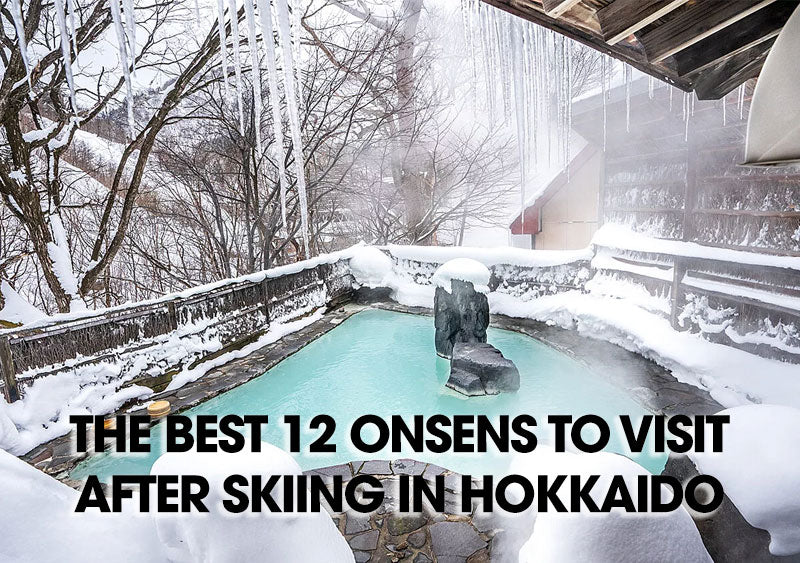

The Best 12 Onsens to Visit After Skiing in Hokkaido
Discover the best Hokkaido ski onsens. Explore 12 must-visit hot springs near Niseko, Furano and Hokkaido’s top ski resorts.
Read More