









Best Snow Jackets for Australian Conditions
Best Snow Jackets for Australian Conditions
When it comes to hitting the Australian slopes, having the right outerwear is essential. Skiing or snowboarding in Australia presents unique challenges: temperatures fluctuate dramatically, snow can range from light powder to wet slush, and winds can cut through poorly designed jackets. Choosing the right ski jacket or snowboard jacket isn’t just about staying warm, it’s about comfort, mobility, and performance across a full day on the mountain. This guide will break down everything you need to know to find the best snow jackets for Australian conditions, from waterproof ratings to layering strategies.
Winter is a season, particularly on the Aussie snow slopes, that brings along the challenge of staying warm and comfortable. Snow jackets play a crucial role in protecting us from the harsh winter weather. Ski and Snowboard jackets come in a variety of styles, materials, and levels of warmth to suit different needs and preferences. In this article, we will discuss the different types of snow jackets available on the market and the factors to consider when choosing the right one for you.
What Makes Australian Snow Conditions Unique?
Australia’s ski resorts, such as Perisher, Thredbo, and Falls Creek, offer incredible skiing opportunities, but the snow and weather conditions differ from those in Europe or North America. Understanding these nuances will help you choose the right ski jacket.
Temperature Fluctuations in Australian Snow
Australian alpine weather is notoriously changeable. Early mornings may start below freezing, while sunny afternoons can climb above 5–10°C. Jackets that are too heavy can cause overheating, while jackets that are too light may leave you cold during chairlift rides or in shaded areas. Mid-weight jackets with layering flexibility are ideal for adapting to these fluctuations.
Wet vs Dry Snow in Australia
Unlike the consistently dry powder found in North America, Australian snow is often wetter and heavier. Wet snow can seep through poorly designed fabrics, leading to discomfort. High waterproof ratings and fully taped seams are essential to stay dry, especially during spring skiing when snow is at its heaviest and slushiest.
Wind Exposure on Australian Slopes
Alpine wind can intensify the cold, particularly at higher altitudes or exposed ridges. Jackets designed for ski-specific movement with adjustable hoods, cuffs, and hems will help keep wind out while maintaining mobility for skiing or snowboarding.
Ski Jackets vs Snowboard Jackets in Australia (Quick Comparison)
Although often used interchangeably, ski and snowboard jackets differ subtly:
- Ski Jackets: Streamlined, hip-length, and fitted for forward movement. Features like lift-pass pockets, articulated sleeves, and moderate insulation support speed and efficiency.
- Snowboard Jackets: Looser fit with longer hems, prioritizing rotational freedom and sitting comfort. Often include larger pockets and ventilation options for freestyle tricks.
Australian snow conditions make technical performance—waterproofing, breathability, and layering—more important than the sport-specific design. Most jackets are interchangeable between skiing and snowboarding.
Key Features to Look for in Snow Jackets in Australia
Not all snowboard and ski jackets are created equal. When shopping for the best ski jackets Australia has to offer, several technical features make a real difference in comfort, performance, and durability.
Types of Snow Jackets
Snow jackets can be broadly classified into four main categories: down jackets, insulated jackets, softshell jackets, and shell jackets.
Down Jackets for Australian Conditions
Down jackets are filled with the feathers of geese or ducks, which provide excellent insulation and keep the wearer warm in cold weather. They are lightweight and compressible, making them a popular choice for winter travel.
Insulated Jackets for Australian Skiers
Insulated jackets use synthetic materials, such as polyester or polyester blend, to provide warmth. These jackets are suitable for colder temperatures and are often more affordable than down jackets. In Australian conditions, heavily insulated jackets are often too warm, especially in places like Perisher or Falls Creek where temps fluctuate.
Softshell Jackets for Snow Sports
Softshell jackets are designed to be both water-resistant and breathable. They are made from a stretchy material that allows for ease of movement and are perfect for outdoor activities such as hiking or skiing. While usually not fully waterproof, they are water-resistant, but have the potential to wet out in sustained rain or snow.
Shell Jackets for Variable Australian Weather
Shell jackets are designed to be worn as an outer layer in harsh weather conditions. They are typically waterproof and windproof but lack insulation, making them a good choice for layering in cold weather, and popular for snowboarders.
3-in-1 Jackets for Versatile Conditions
3-in-1 jackets combine a waterproof outer shell with a removable insulated inner layer (usually synthetic fleece or lightweight insulation), allowing them to be worn in three ways: shell only, insulation only, or both zipped together for maximum warmth. This modular design makes them highly versatile across changing weather conditions, from mild, wet days to colder alpine environments. The outer layer provides protection from wind and precipitation, while the inner layer adds insulation, making 3-in-1 jackets a practical option for skiers and snowboarders who want adaptability without needing multiple separate jackets.
When choosing a snow jacket, it is important to consider factors such as warmth, waterproofing, and breathability. Whether you are looking for a warm jacket for men or a warm jacket for women, there are many options to choose from.
Waterproofing & Breathability Ratings for Snow Jackets in Australia
Waterproofing is measured in millimetres of water pressure a fabric can withstand before leaking. For Australian conditions, a minimum waterproof rating of 10,000mm is recommended. Breathability is equally important—it allows sweat to escape without letting moisture in. Look for fabrics with a breathability rating of 5,000–10,000g/m²/24h. Technologies like GORE-TEX or similar membranes combine both waterproofing and breathability, offering reliable protection against wet snow and rain.
Fully taped seams are crucial—they prevent water from entering at stitching points. Pit zips or ventilation panels allow you to regulate temperature during high-intensity skiing or snowboarding, helping prevent overheating without needing to remove your jacket.
GORE-TEX Jackets for Australian Snow Conditions
GORE-TEX jackets are a type of snow jacket designed to provide maximum waterproofing and breathability in cold, wet weather. They are made from a special type of fabric that is both waterproof and breathable, making them ideal for outdoor activities like skiing, snowboarding, and hiking.
What are GORE-TEX jackets are and how are they used?
GORE-TEX jackets are made from a special type of fabric that is designed to keep you dry and comfortable in cold, wet weather. The fabric is both waterproof and breathable, allowing moisture to escape while preventing water from entering. GORE-TEX jackets are ideal for outdoor activities like skiing, snowboarding, and hiking, where you need to stay dry and comfortable in wet and cold conditions.
How do GORE-TEX jackets compare to other winter jackets in terms of waterproofing and breathability?
Compared to other types of winter jackets, GORE-TEX jackets provide superior waterproofing and breathability. They are designed to keep you dry and comfortable in wet and cold conditions, making them ideal for outdoor activities in cold, wet weather. However, they are often bulkier and more expensive than other types of winter jackets.
Sold out
Sold out
Sold out
Sold out
Sold out
Insulated vs Shell Jackets in Australia
Understanding insulation is key when selecting a jacket:
- Insulated jackets: Filled with synthetic fibres or down, these jackets trap body heat and provide warmth out of the box. They are ideal for colder mornings, chairlift rides, or days with persistent snow.
- Shell jackets: Lightweight, waterproof, and windproof, shells lack insulation but offer maximum layering flexibility. You can pair a shell with mid-layers or fleece to adapt to changing conditions.
In Australia, a versatile mid-weight insulated jacket or a shell with high-quality mid-layers is often the best compromise, allowing skiers and snowboarders to adjust to rapidly changing temperatures.
Fit & Mobility for Skiing vs Snowboarding in Australia
Ski jackets are typically tailored for forward-facing movement, with a more streamlined fit, shorter hem, and articulated sleeves for pole use. Snowboard jackets tend to be looser through the torso, with longer hems to protect against sitting in the snow and rotational movements. Even if you primarily ski, consider jackets that offer freedom of movement and allow layering without restricting mobility.
Which Type of Snow Jacket is Warmest for Australian Conditions?
When it comes to warmth, down jackets are considered to be the warmest among the different types of snow jackets. The feathers used in down jackets provide excellent insulation, trapping heat and keeping the wearer warm in cold weather. Down jackets also have a higher warmth-to-weight ratio, meaning they provide a lot of warmth without adding bulk.
Insulated jackets and softshell jackets also provide warmth, but they are typically not as warm as down jackets. Insulated jackets use synthetic materials, such as polyester, to provide insulation. Softshell jackets, on the other hand, are designed to be both waterproof and breathable and typically lack the insulation found in down jackets.
Warmest Jackets for Extreme Cold Weather in Australia
For extreme cold weather, down jackets are the best option for staying warm. The high-quality feathers used in down jackets provide excellent insulation, trapping heat and keeping the wearer warm in even the coldest temperatures. Additionally, down jackets are lightweight and compressible, making them a popular choice for winter travel.
While insulated jackets and softshell jackets can provide some level of warmth, they are typically not as warm as down jackets. For extreme cold, it is best to choose a down jacket with a high fill power, which indicates the amount of loft or fluffiness of the down and the level of warmth it provides.
Are Puffer Jackets the Warmest for Australian Snow?
Puffer jackets are known for their bulkiness and quilted design, which provides excellent insulation and warmth. They are often filled with synthetic materials or down, which can provide excellent insulation in cold weather.
When compared to other types of jackets such as insulated and down jackets, puffer jackets can be considered warm due to their design and materials used for insulation. However, it is important to consider factors such as waterproofing and breathability when choosing a jacket for cold weather.
Puffer vs Padded Jackets for Snow Conditions
Puffer jackets and padded jackets are often confused with each other, but they are different in terms of their design and insulation. Puffer jackets are bulkier and filled with synthetic materials or down, while padded jackets have a thinner layer of insulation and a more streamlined design.
In terms of warmth, puffer jackets are often considered warmer due to their bulkier design and use of materials such as down for insulation. However, padded jackets can still provide good insulation and warmth, especially when worn as a layering piece. It is important to consider the intended use and type of weather when choosing between a puffer and padded jacket.
Are Puffer Jackets Warm Enough for Snow in Australia?
Puffer jackets can be a good option for snow, especially when combined with other layers for added insulation and protection. They are often waterproof and wind-resistant, making them suitable for cold and wet weather.
However, it is important to consider the insulation and breathability of the jacket when choosing a puffer jacket for snow. It may also be necessary to wear additional layers underneath the jacket to provide added warmth in extreme cold weather conditions.
Best Types of Snow Jackets for Australia
When shopping in Australia, there are three main jacket types that perform well in local conditions:
- Shell Jackets: Lightweight, waterproof, and windproof, ideal for layering. Pair with fleece or insulated mid-layers to adapt to fluctuating temperatures.
- Lightly Insulated Jackets: Provide warmth and weather protection in a single layer. Perfect for most Australian snow days where conditions are wet but not extreme.
- 3-in-1 Jackets: Combine a shell and removable inner insulated jacket, offering maximum versatility. Layer according to conditions, making them ideal for multi-day trips across variable weather.
What to Wear Under Your Snow Jacket (Layering Guide for Australia)
Layering is critical to comfort on the slopes:
- Base Layer: Moisture-wicking fabrics like merino wool or synthetic blends keep skin dry. Avoid cotton as it retains moisture.
- Mid Layer: Fleece jackets, lightweight insulated jackets, or puffer jackets trap heat and allow for adjustable warmth.
- Outer Layer: Your ski or snowboard jacket, providing waterproofing, windproofing, and durability.
Fleece jackets are an excellent mid-layer choice for Australian snow—they are breathable, lightweight, and maintain warmth even when damp. Combining a shell with a fleece or synthetic insulated mid-layer allows skiers to adapt to changing weather without overheating.
Best Ski Jackets for Beginners
Beginners should prioritise comfort, waterproofing, and ease of movement over technical features or style:
- Mid-weight insulated jackets that balance warmth and breathability.
- Adjustable hoods, cuffs, and powder skirts for added protection.
- Moderate fit to allow layering without feeling bulky.
For new skiers, versatility and practicality are more important than sport-specific designations.
Best Ski Jackets for Advanced Skiers
Advanced skiers face higher speeds, steeper terrain, and longer days on the chairlift. Key considerations:
- Technical waterproofing: 10,000mm+ ratings with fully taped seams.
- Enhanced breathability: Pit vents and adjustable ventilation prevent overheating.
- Specialized features: Lift-pass pockets, reinforced cuffs, and articulated sleeves for optimal performance.
- Fit: Streamlined, performance-focused cut for forward motion.
Lightweight shells with premium mid-layers or high-quality insulated jackets offer the best combination of warmth, weather protection, and freedom of movement. Advanced skiers may also benefit from hybrid or 3-in-1 jackets for multi-condition versatility.
When to Spend More on a Ski Jacket in Australia
Not all jackets are created equal. Higher-end jackets often include:
- GORE-TEX or equivalent waterproof membranes.
- Superior breathability and ventilation.
- Durable, weather-resistant fabrics that last multiple seasons.
- Ergonomic design for mobility and layering.
Investing in a premium jacket makes sense if you ski frequently, spend multiple days on the slopes, or need reliable performance in wet Australian snow. For occasional skiers, mid-range options still offer excellent waterproofing and warmth without the higher price tag.
FAQs About Snow Jackets in Australia
Are ski jackets and snowboard jackets the same?
They share similar construction but differ in fit, length, and style. Most jackets are interchangeable for recreational use.
Are Ski Jackets or Snowboard Jackets warmer?
Warmth depends on insulation and layering, not the label. Mid-weight insulated jackets or shells with layers offer the best flexibility.
Can beginners wear either a ski jacket or snowboard jacket?
Yes. Beginners should focus on waterproofing, comfort, and layering options rather than ski vs snowboard labels.
Is a longer snow jacket better in Australia?
Extra length can protect against wet snow when sitting or falling, but technical features like waterproofing and ventilation are more important overall.
Final Tips Before You Buy
Choosing the right ski jacket for Australian conditions means balancing warmth, waterproofing, breathability, and mobility. Consider your activity level, typical snow conditions, and layering strategy. Jackets with adjustable features, durable fabrics, and versatile insulation perform best in the variable Australian alpine climate.
Browse the Auski Ski Jackets collection to find jackets designed for both beginners and advanced skiers. Whether you prefer insulated, shell, or 3-in-1 options, the right jacket will keep you comfortable from first chair to last run.
MOST POPULAR
RISING POST
Leave a comment
Comments will be approved before showing up.
Also in Blogs
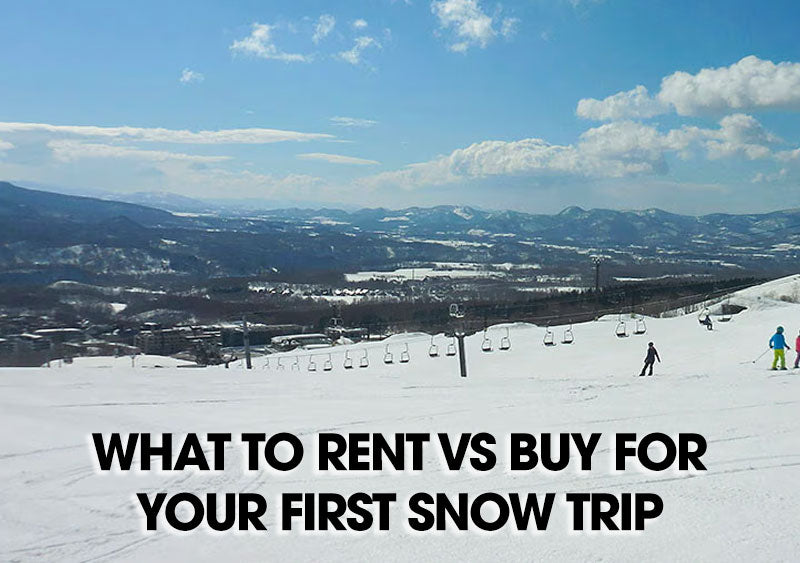

What to Rent vs Buy for Your First Snow Trip (Beginner Guide)
Not sure what snow gear to rent or buy? This beginner guide breaks down what’s worth renting and what you should own for your first snow trip.
Read More
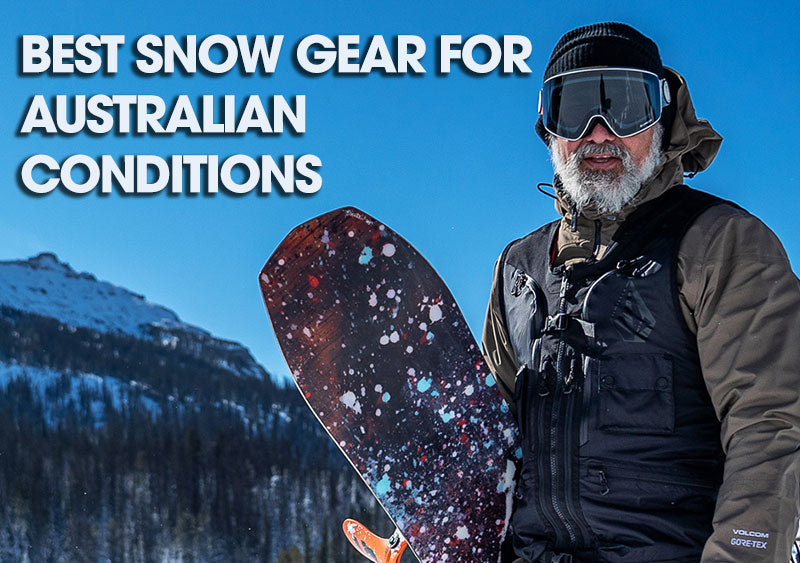

Best Snow Gear for Australian Conditions (What You Actually Need)
From jackets to gloves, discover the best snow gear for Australian conditions and avoid overbuying gear designed for extreme overseas climates.
Read More


5 Summer Adventures That Make You a Better Skier in Winter
Improve your skiing before winter arrives with 5 summer adventures. Build strength, balance, endurance and focus through biking, hiking, SUP and mo
Read More